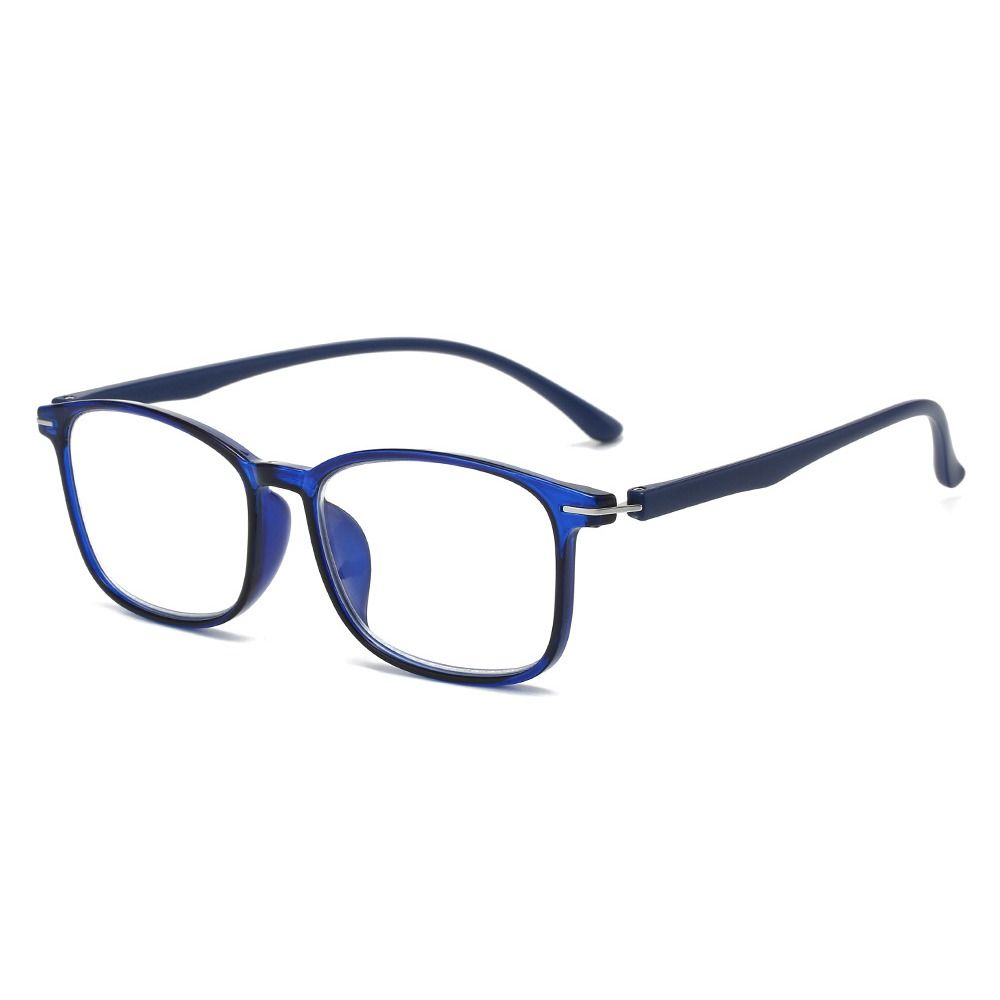
I once believed these common myths about buying glasses online. Here’s the truth many sellers won’t share. When shopping for anti-blue light reading glasses, whether for comfortable eye protection or managing presbyopia, it’s easy to fall into these traps.
Many shoppers assume all glasses are created equal and that advertisements reflect reality. The truth, however, is quite different. Genuine eye protection and clear vision come from quality products and trustworthy sellers. Let me set the record straight.
Here’s what they don’t tell you: many believe buying glasses online is straightforward, assuming all frames and lenses offer similar basic quality, especially those marketed for "comfortable eye protection" or as anti-blue light. A low price is often mistaken for a great value.
The Lie: One customer ordered glasses for their child, who continued to have vision problems. An eye doctor discovered the pupil distance (PD) was incorrect—the glasses company had simply used a generic value like 62, which is often wrong for individual buyers. This demonstrates a lack of care in manufacturing. If basic measurements are inaccurate, the entire purpose of vision correction is defeated.
The Truth: Quality is paramount. Good glasses, such as those with an Ultralight PC Frame, require precise measurements and expert lens crafting. A comprehensive eye exam, as noted in a positive review, utilizes "top-notch technology." This highlights that meticulous measurement and professional assistance are essential for glasses that truly work.
Verdict: Always verify how a company manages critical measurements like pupil distance. Don’t assume all online glasses provide the same fit or clarity. True quality stems from rigorous processes.
Many assume that any product labeled "anti-blue light" automatically offers superior eye protection, believing all blue light filters are identical. This is a common misconception, especially for reading glasses claiming to shield eyes from digital screens.
The Lie: While no review explicitly cites poor blue light quality, widespread issues like incorrect PD and general vision problems indicate a broader lack of quality control. If a company cuts corners on fundamental lens grinding or frame fitting, it’s unlikely they invest in high-quality blue light filtering. Cheap coatings can distort colors or fail to block sufficient harmful light, rendering the "eye protection" claim ineffective.
The Truth: The effectiveness of "anti-blue light" features varies significantly. Premium anti-blue light reading glasses employ advanced lens technology to filter specific wavelengths without drastically altering color perception. When glasses are described as "working out well," it signifies the lenses and coatings meet a high standard. A favorable neurolenses review often emphasizes clarity and comfort—qualities cheap filters cannot deliver.
Verdict: Don’t take the label at face value. Seek clear information about the blue light filtering technology used. Research brands renowned for quality lenses, not just low prices. Inexpensive glasses may offer little to no real protection.
It’s tempting to get excited by ads promising deals like "2 pairs of glasses for $69.95." Shoppers often believe this low price is the total cost for their new reading glasses or general eyewear.
The Lie: One individual visited an optical shop after seeing an ad for "2 pairs of glasses for 69.95." Upon leaving, their total bill was $500.00! The advertised price applied only to the most basic, entry-level product. They were upsold on various "essentials your eyes need," which quickly inflated the cost. This is a classic example of misleading advertising.
The Truth: Low advertised prices are typically just a starting point. Eye care providers and optical shops frequently add charges for lens coatings, stronger prescriptions, specific materials like an Ultralight PC Frame, or thinner lenses. These extras can substantially increase the final price. Acquiring "a great pair of contacts" or "some of the best glasses" usually means paying a fair price for quality and proper service, not just the headline offer.
Verdict: Always request a full, itemized price quote before committing. Be skeptical of deals that seem too good to be true. Understand exactly what is included and what incurs additional charges.